![[personal profile]](https://www.dreamwidth.org/img/silk/identity/user.png)
The British elections
May. 5th, 2012 11:35 amThis week elections for local councils in large British cities and in all of Scotland and Wales occurred, along with the election for London mayor and assembly. Do recall that the national government is a coalition between the Conservatives (to whom I shall refer as "Tories") and the Liberal Democrats (LibDems), with Labour, which lost the 2010 election, in opposition.
As is true in many countries, local elections in between national elections often give rise to a protest vote against the governing party/parties. And such was the case in the UK this week.
Up and down the country, the Tories and LibDems were punished, and Labour gained a number of important councils away from both parties. In Scotland, they held on to Glasgow council, which was a target of the governing Scottish National Party. The LibDems lost control of one council (net), leaving them with 6, even though their power base was built up through careful cultivation of local voters and a number of local council seats. They have dropped below 2000 local councilors for the first time in the party's history. The Tories lost many local council seats up and down the land, and control of a number of councils.
The trend did not extend to the London mayoralty election, however. Labour gained some London Assembly seats, but Boris Johnson was re-elected Mayor of London by 3 percentage points, 51.5% to 48.5%, with second-choice votes being counted. Voters got a first and second preference vote, and second preference votes for all those below the top two vote getters in the first preference were added to first preference votes to produce a majority. This is a somewhat cack-handed way of doing what the French are engaging in at the moment: their first round of Presidential voting produced Sarkozy vs. Hollande, and tomorrow they will be voting again between those two candidates only.
Now the Tories are wary of their victorious London Mayor, Boris Johnson, He has a colourful history, is considered eccentric, has had an, um, varied marital life, is wealthy, a classicist, and is considered by many to be boyish and handsome. However, national Tory politicians are afraid that Boris will challenge Prime Minister David Cameron for the leadership of the Tory party, especially if Cameron looks set to lose the 2015 general election. So his victory in London was seen as dangerous nationally. Boris has publicly eschewed any ambition for national office, in a radio interview, but one of the things that politicians do all the time is change their minds about running for various higher offices, and I would not be surprised if Boris reappears on the national scene either before, or just after, the next general election. After all, he is the one politician in the United Kingdom who has a personal mandate from voters of more than 1 million votes. It would be natural for him to segué back into Parliament.
His opponent, Ken Livingstone of the Labour Party, has had more than 30 years in local and national politics. He was leader of the London County Council (the forerunner of the London government of today) during the Thatcher years, and so enraged the Iron Lady that she abolished the LCC rather than endure his public taunts from across the Thames. He slid into Parliament as MP for Brent during the 80's and 90's. When the Mayoralty was created in 2000, he had so alienated Labour that they did not nominate him for Mayor, as he had hoped. So he ran as an independent, and won. Blair & Co. held their noses and welcomed him back, and he won re-election in 2004.
Livingstone also has a colourful personal life. He has 5 children from several women, to not all of whom he was married. He is broadly favourable (in my opinion) to LGBT rights, but also invites some Muslims who are homophobic and anti-Semitic to speak in London meetings under his control. He has himself referred to a paparazzo who was following him around as a "concentration camp guard", and suffered sanctions because of that. He is a newt-fancier, thus giving rise to lots of humourous items in the opinion columns along with funny political cartoons.
He found losing to Boris quite a blow in 2008, and has been quietly running for the election ever since. He was chosen as Labour's candidate last year, over several very qualified politicians, one of whom, Oona King, is someone for whom I have a lot of respect. But Ken Livingston, like Marmite, is one of those politicians who is either hated or adored by voters. He carries a lot of baggage along with him, and has recently been in the news because he has used a company to receive speaking fees and book royalties, so that he could pay his wife as his researcher along with other part-time staff. The side effect of this is paying taxes at a low corporate rate, not a higher personal rate. He has indeed paid all the taxes for which he is personally and corporatively liable; however, his opponents smacked him hard over this, calling it tax evasion but ignoring that other politicians do exactly the same thing, including (I believe) one B. Johnson.
Now you might expect that, given the national trend toward Labour, Ken might have squeaked through to City Hall yet again. He didn't, although his defeat was much narrower than the pollsters expected. Why is this?
I contend that Boris did not win the election, Ken lost it. Through having a "history", through raising doubts about his fiscal probity regarding taxation, and through generally being a rather overexposed and tired figure, Ken lost the election that Labour might have won under a vibrant relatively new candidate such as Oona King. Alas, we'll never know this time around. There's always 2016, though.
And finally I turn to the party to which I have the pleasure of belonging, the Liberal Democrats. In elections before 2010, the Liberal Democrats benefitted from midterm protest votes from whichever side was in government. However, for those who wanted to protest in 2012 there was only one major party for which to vote: Labour. And voters (those who bothered to vote; turnout was in the high 30%s, which is low for an election here) took advantage of that opportunity and voted Labour in their thousands, protesting against both Tory and LibDem candidates, but smacking the LibDems a bit harder. Hundreds of LibDem councillors lots their seats.
In London, their mayoral candidate, Brian Paddick, who (in my opinion) was the best qualified of the three major candidates through his experience as a senior police officer, was beaten down into 4th place by the Green candidate. They lost 1 London Assembly member, to Labour's gaining 4 and the Conservatives losing 2, including one of Boris's Deputy Mayors.
Nationally the troglodytes in the Conservative party are blaming the bad result on Cameron's relatively liberal social policies, such as support for same-sex marriage. Wrong. BZZZT! You're out. People do not generally vote down people on social issues here. It's the terrible economy, mired in a double-dip recession, that did for the Tories. Being known as the Nasty Party, slapping taxes on grannies and hot Cornish pastys while lowering taxes for fat cats, is not going to be a vote winner generally. Blaming it on Cameron's generally pro-European-Union-business attitude is also stupid, but we have come to expect that from some of the receding-jawed over-bred toffs who sit on the Government benches and for whom any mention of Europe calls forth foaming-mouthed denunciations. And as for the LibDems, being associated with the Nasty Party tarred them with that nasty brush, like stepping in a pile of dogshit before going to the Queen's garden party, and stubbornly refusing to notice the odour rising from your shoes.
So, all in all, a bad result for the Tories, a disastrous one for the Liberal Democrats, and a hopeful one for Labour, whose national leader, Ed Miliband, has come in for a lot of criticism lately for a perceived charisma-deficit and for not being his brother, David, who was the favourite of Labour politicians for the leadership in 2010 but who was defeated in the contest. Now that he has a national victory under his belt, he needs to concentrate on putting forward credible national policies to deal with the debt, to deal with the recession, and to make Britons feel like their government cares about them. If he can do that, he'll be striding into Number 10 Downing Street in 2015. If that were to happen, a very savage war would break out in the Conservative Party which might result in Cameron being propelled out of the leadership by the massed feet of the reduced band of Tory MPs and one B. Johnson, who says publicly that he'd really rather not be in Parliament because he now has the job he really loves, being propelled into it.
As is true in many countries, local elections in between national elections often give rise to a protest vote against the governing party/parties. And such was the case in the UK this week.
Up and down the country, the Tories and LibDems were punished, and Labour gained a number of important councils away from both parties. In Scotland, they held on to Glasgow council, which was a target of the governing Scottish National Party. The LibDems lost control of one council (net), leaving them with 6, even though their power base was built up through careful cultivation of local voters and a number of local council seats. They have dropped below 2000 local councilors for the first time in the party's history. The Tories lost many local council seats up and down the land, and control of a number of councils.
The trend did not extend to the London mayoralty election, however. Labour gained some London Assembly seats, but Boris Johnson was re-elected Mayor of London by 3 percentage points, 51.5% to 48.5%, with second-choice votes being counted. Voters got a first and second preference vote, and second preference votes for all those below the top two vote getters in the first preference were added to first preference votes to produce a majority. This is a somewhat cack-handed way of doing what the French are engaging in at the moment: their first round of Presidential voting produced Sarkozy vs. Hollande, and tomorrow they will be voting again between those two candidates only.
Now the Tories are wary of their victorious London Mayor, Boris Johnson, He has a colourful history, is considered eccentric, has had an, um, varied marital life, is wealthy, a classicist, and is considered by many to be boyish and handsome. However, national Tory politicians are afraid that Boris will challenge Prime Minister David Cameron for the leadership of the Tory party, especially if Cameron looks set to lose the 2015 general election. So his victory in London was seen as dangerous nationally. Boris has publicly eschewed any ambition for national office, in a radio interview, but one of the things that politicians do all the time is change their minds about running for various higher offices, and I would not be surprised if Boris reappears on the national scene either before, or just after, the next general election. After all, he is the one politician in the United Kingdom who has a personal mandate from voters of more than 1 million votes. It would be natural for him to segué back into Parliament.
His opponent, Ken Livingstone of the Labour Party, has had more than 30 years in local and national politics. He was leader of the London County Council (the forerunner of the London government of today) during the Thatcher years, and so enraged the Iron Lady that she abolished the LCC rather than endure his public taunts from across the Thames. He slid into Parliament as MP for Brent during the 80's and 90's. When the Mayoralty was created in 2000, he had so alienated Labour that they did not nominate him for Mayor, as he had hoped. So he ran as an independent, and won. Blair & Co. held their noses and welcomed him back, and he won re-election in 2004.
Livingstone also has a colourful personal life. He has 5 children from several women, to not all of whom he was married. He is broadly favourable (in my opinion) to LGBT rights, but also invites some Muslims who are homophobic and anti-Semitic to speak in London meetings under his control. He has himself referred to a paparazzo who was following him around as a "concentration camp guard", and suffered sanctions because of that. He is a newt-fancier, thus giving rise to lots of humourous items in the opinion columns along with funny political cartoons.
He found losing to Boris quite a blow in 2008, and has been quietly running for the election ever since. He was chosen as Labour's candidate last year, over several very qualified politicians, one of whom, Oona King, is someone for whom I have a lot of respect. But Ken Livingston, like Marmite, is one of those politicians who is either hated or adored by voters. He carries a lot of baggage along with him, and has recently been in the news because he has used a company to receive speaking fees and book royalties, so that he could pay his wife as his researcher along with other part-time staff. The side effect of this is paying taxes at a low corporate rate, not a higher personal rate. He has indeed paid all the taxes for which he is personally and corporatively liable; however, his opponents smacked him hard over this, calling it tax evasion but ignoring that other politicians do exactly the same thing, including (I believe) one B. Johnson.
Now you might expect that, given the national trend toward Labour, Ken might have squeaked through to City Hall yet again. He didn't, although his defeat was much narrower than the pollsters expected. Why is this?
I contend that Boris did not win the election, Ken lost it. Through having a "history", through raising doubts about his fiscal probity regarding taxation, and through generally being a rather overexposed and tired figure, Ken lost the election that Labour might have won under a vibrant relatively new candidate such as Oona King. Alas, we'll never know this time around. There's always 2016, though.
And finally I turn to the party to which I have the pleasure of belonging, the Liberal Democrats. In elections before 2010, the Liberal Democrats benefitted from midterm protest votes from whichever side was in government. However, for those who wanted to protest in 2012 there was only one major party for which to vote: Labour. And voters (those who bothered to vote; turnout was in the high 30%s, which is low for an election here) took advantage of that opportunity and voted Labour in their thousands, protesting against both Tory and LibDem candidates, but smacking the LibDems a bit harder. Hundreds of LibDem councillors lots their seats.
In London, their mayoral candidate, Brian Paddick, who (in my opinion) was the best qualified of the three major candidates through his experience as a senior police officer, was beaten down into 4th place by the Green candidate. They lost 1 London Assembly member, to Labour's gaining 4 and the Conservatives losing 2, including one of Boris's Deputy Mayors.
Nationally the troglodytes in the Conservative party are blaming the bad result on Cameron's relatively liberal social policies, such as support for same-sex marriage. Wrong. BZZZT! You're out. People do not generally vote down people on social issues here. It's the terrible economy, mired in a double-dip recession, that did for the Tories. Being known as the Nasty Party, slapping taxes on grannies and hot Cornish pastys while lowering taxes for fat cats, is not going to be a vote winner generally. Blaming it on Cameron's generally pro-European-Union-business attitude is also stupid, but we have come to expect that from some of the receding-jawed over-bred toffs who sit on the Government benches and for whom any mention of Europe calls forth foaming-mouthed denunciations. And as for the LibDems, being associated with the Nasty Party tarred them with that nasty brush, like stepping in a pile of dogshit before going to the Queen's garden party, and stubbornly refusing to notice the odour rising from your shoes.
So, all in all, a bad result for the Tories, a disastrous one for the Liberal Democrats, and a hopeful one for Labour, whose national leader, Ed Miliband, has come in for a lot of criticism lately for a perceived charisma-deficit and for not being his brother, David, who was the favourite of Labour politicians for the leadership in 2010 but who was defeated in the contest. Now that he has a national victory under his belt, he needs to concentrate on putting forward credible national policies to deal with the debt, to deal with the recession, and to make Britons feel like their government cares about them. If he can do that, he'll be striding into Number 10 Downing Street in 2015. If that were to happen, a very savage war would break out in the Conservative Party which might result in Cameron being propelled out of the leadership by the massed feet of the reduced band of Tory MPs and one B. Johnson, who says publicly that he'd really rather not be in Parliament because he now has the job he really loves, being propelled into it.


 Canada has been governed by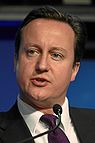
 The unfortunate fact of coalition in the United Kingdom is that, despite all the signs with COALITION AHEAD!, BEWARE OF THE COALITION!, HANGING PARLIAMENT ABOVE!!, none of the three major parties seriously contemplated what they would do were a hung Parliament to be elected. So when they woke up the day after the election, the three leaders didn't know what to do. Nick Clegg, the kingmaker and leader of the LibDems, finally cast his lot in with the Conservatives, as together they would command a majority in the House of Commons.
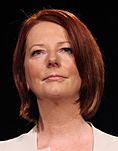 However, all of this avoids the reality of the situation. Much quoted lately, most recently by Julia Gillard, PM of Australia, is former US President Bill Clinton's remark after the 2000 US Presidential election: "The American people have spoken but it's going to take a little while to determine what they said." In the UK and other British parliamentary-style democracies, each party runs on a manifesto (=US "platform") which sets out, in detail, what the party intends to do if it forms a majority government. What the manifestos do NOT say is what the party intends to do if no party commands a majority in Parliament and it must explore coalition with other parties.
 A week is a long time in politics (hackneyed phrase, but a true one). Who knows what will happen to the coalition here in the UK, or the government in Australia. Prime Minister Gillard may elect to continue on as Prime Minister of a minority government until and unless she loses a vote of confidence in the House of Representatives,

